Welcome to the first issue of Modeling Notes. The short version of why this exists: we watch a lot of thermal models run — and the same handful of patterns come up over and over. Each issue takes one apart: the symptom, the physics, the fix. Five minutes, no fluff, no pitch.
The symptom
The model solves, but rack inlet temperatures come in a few degrees hotter than anything you’d measure on the floor — or the solution drifts instead of settling. Nothing errors. It just reads wrong.
The usual cause
The supply side is fully specified — CRAC flow, plenum, perforated tiles — but the return is implied. CFD doesn’t do implied. Air you push into the room has to leave through an opening you actually drew, and when there isn’t one, the solver finds its own way back: usually over the top of the racks and straight into the cold aisle.
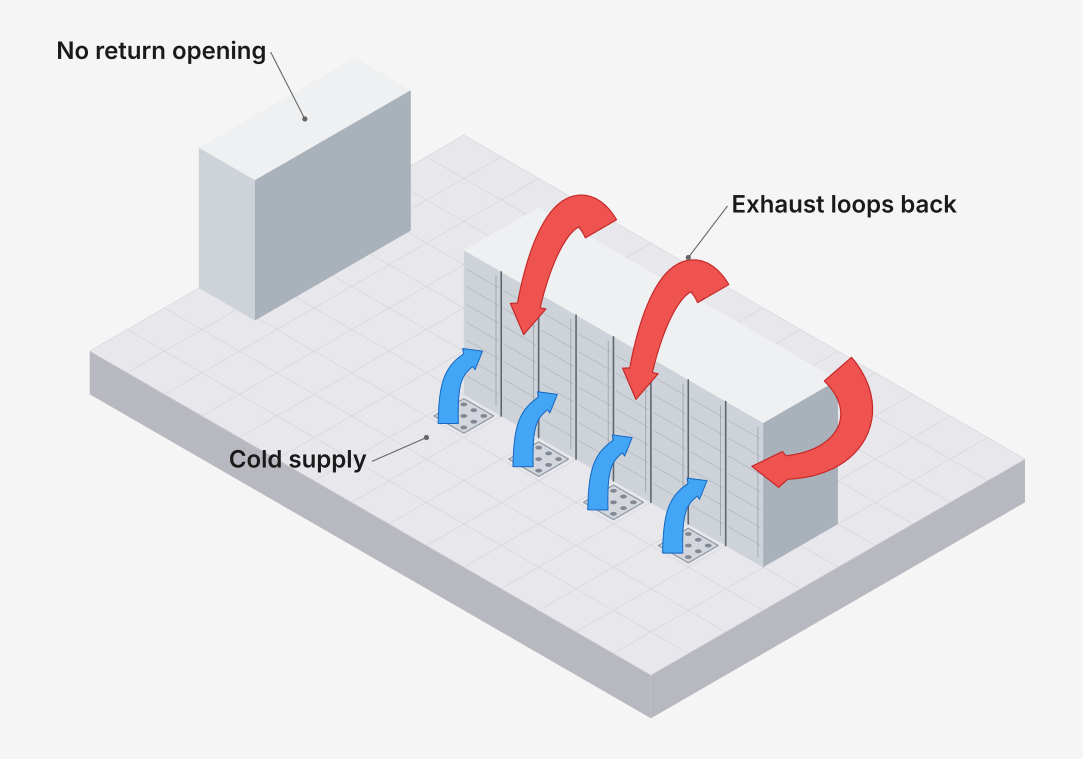
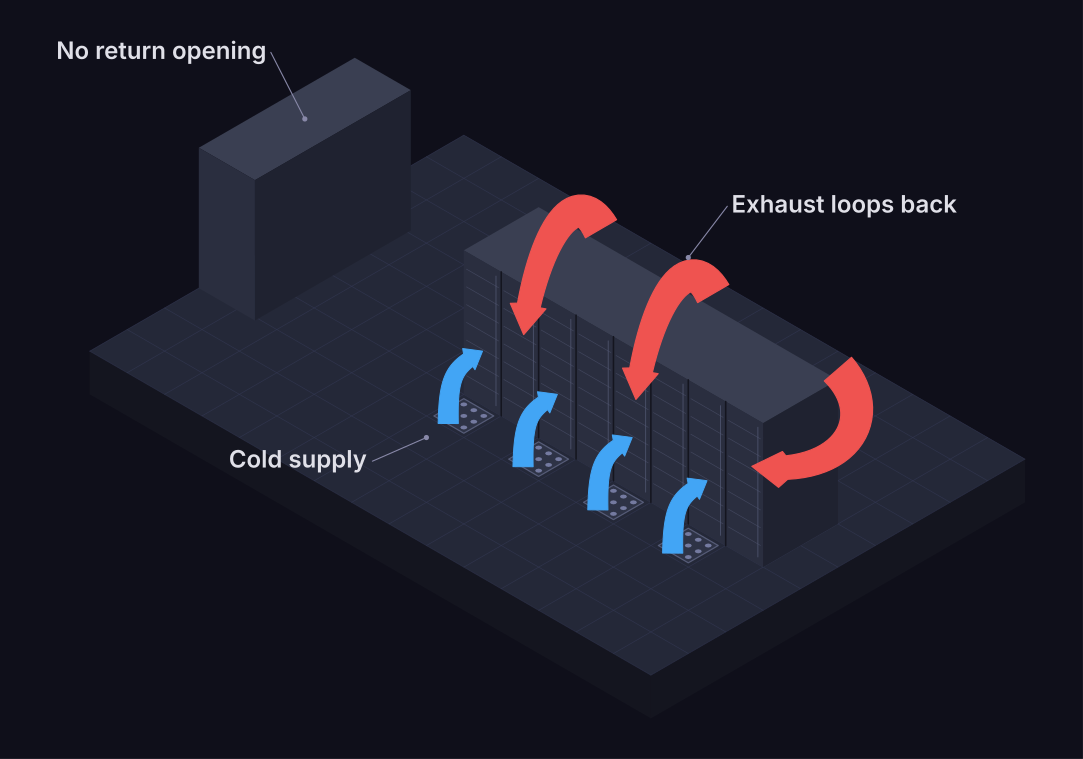
A — return not modeled
Hot exhaust loops back into the cold aisle.
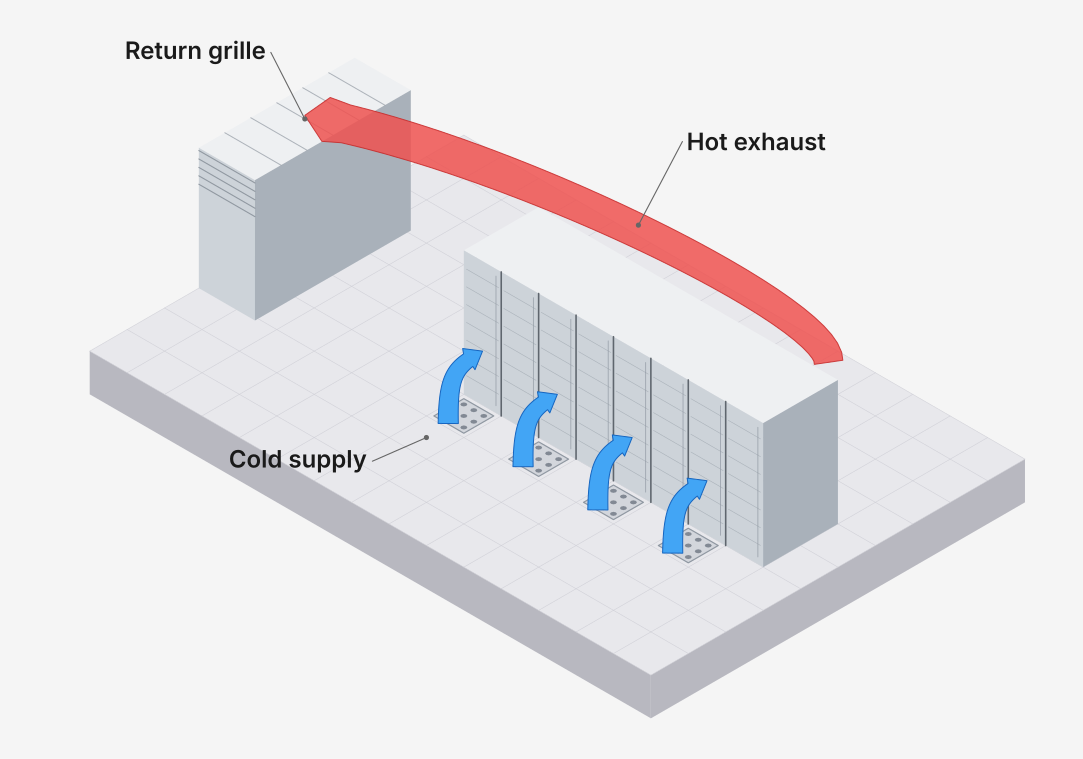
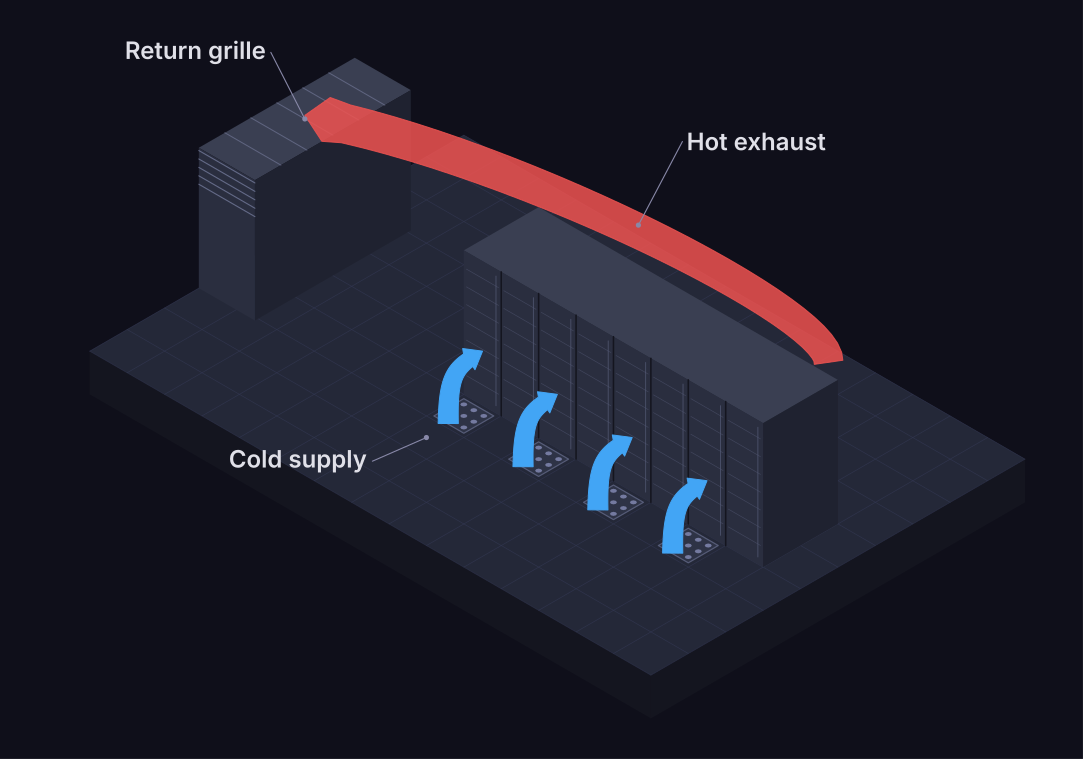
B — return path modeled
Closed loop: inlet temperatures settle.
Three quick checks before you click Solve
- Every flow in has a flow out. Supply openings without a matching return are the most common reason a solve never settles.
- Plenums are spaces, not surfaces. If air travels through it, model it as a volume with its real obstructions — pipe runs and cable trays change tile flow more than most people expect.
- Check your units twice. CFM vs m³/h is a factor of ~1.7 — big enough to look plausible and still be wrong.
New issues of Modeling Notes are published here — follow the RSS feed to get the next one when it’s ready. And if a model of yours is doing something an issue should explain, tell us about it — the best issues start as real questions.